
Dental Fillings
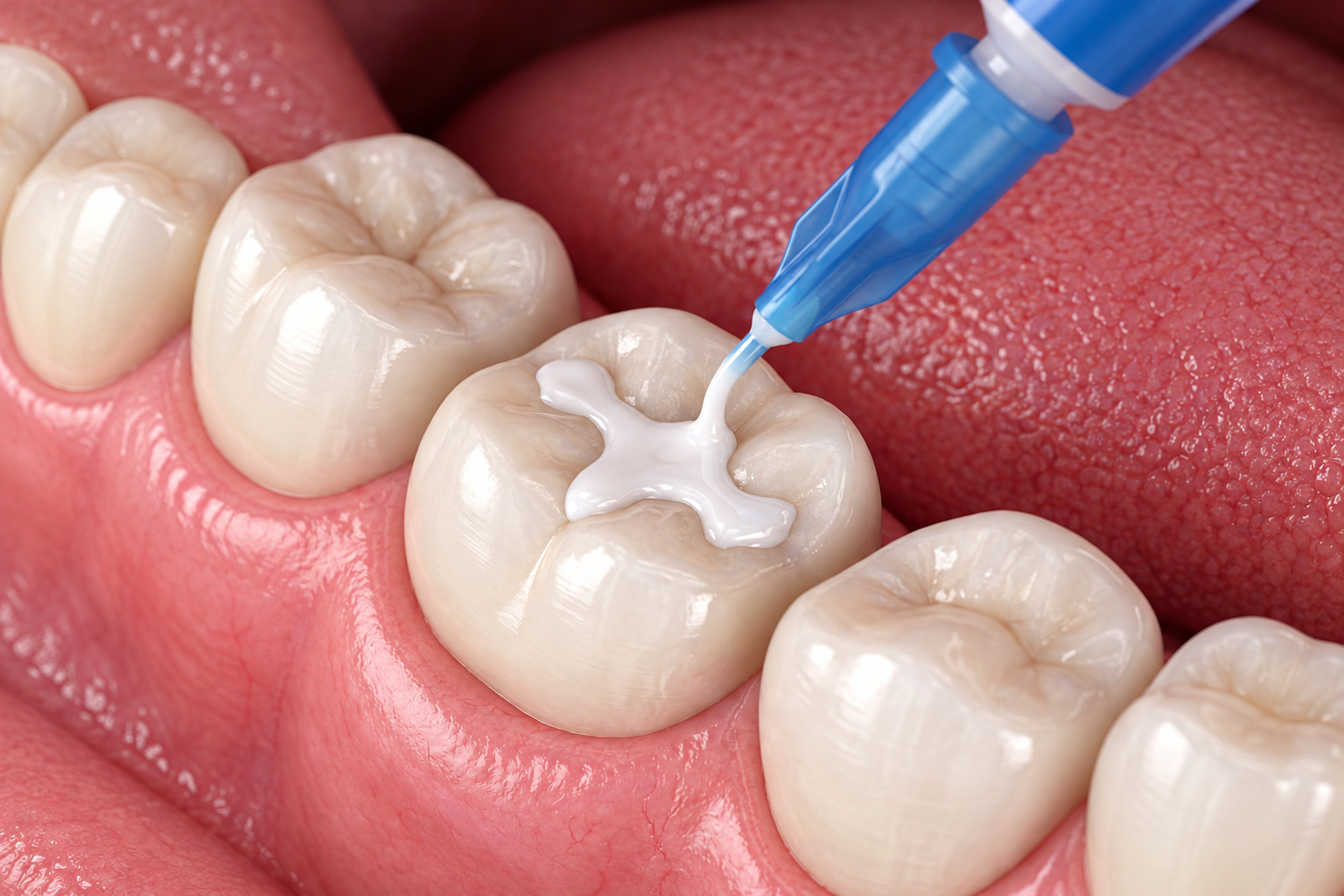
Restore Teeth Affected by Cavities and Minor Damage
Dental fillings are commonly used to repair teeth affected by decay, small fractures, or minor structural damage. When a cavity develops, removing the damaged portion and restoring the tooth can help prevent further deterioration.
At Smile Code Dental Care, dental fillings are planned to restore tooth function while maintaining a natural and aesthetic appearance whenever possible.
When Is a Dental Filling Needed?
A filling may be recommended when a tooth has:
- Dental cavities
- Minor fractures
- Small chips
- Worn areas
- Early structural damage
- An old filling that requires replacement
Some cavities cause sensitivity or discomfort, while others may not produce noticeable symptoms. Regular dental examinations can help identify decay before it becomes more extensive.
How Is a Filling Done?
The damaged or decayed portion of the tooth is carefully removed and the area is cleaned before the restorative material is placed.
The process may involve:
- Dental examination
- Removal of decay
- Cleaning of the cavity
- Placement of filling material
- Shaping and polishing
- Bite adjustment
Tooth-coloured restorative materials can help the treated tooth blend more naturally with surrounding teeth.
Benefits of Timely Dental Fillings
Treating cavities early can prevent them from progressing deeper into the tooth.
Benefits include:
- Restoring tooth structure
- Improving chewing function
- Preventing further decay
- Reducing sensitivity in some cases
- Maintaining natural tooth appearance
- Helping preserve the tooth
If untreated, decay may eventually reach the inner pulp and require more extensive treatment such as root canal therapy.
Protect Your Natural Teeth
Dental fillings are a conservative treatment designed to preserve as much healthy tooth structure as possible.
At Smile Code Dental Care, we focus on early diagnosis, careful restoration, and preventive guidance. Maintaining regular dental check-ups, good brushing habits, and proper oral hygiene can help reduce the risk of future cavities and keep restored teeth healthy for longer.
Other Services
Ready for a Healthier, Confident Smile?
Book your dental consultation today and take the next step personalised, and complete oral care.