
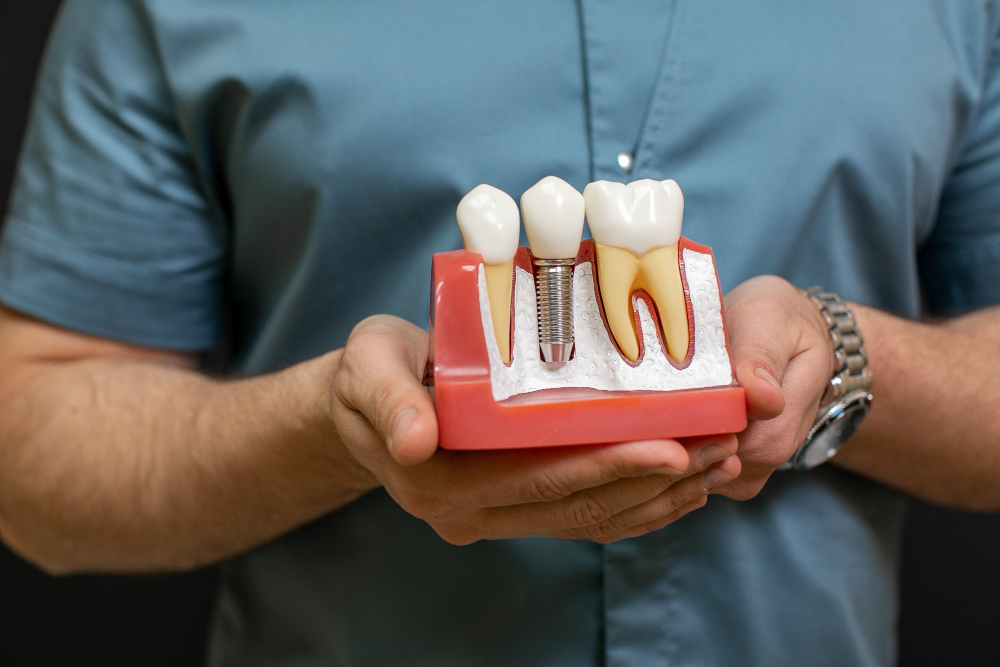
What Are Dental Implants?
Dental implants are artificial tooth roots. Dentists place them into your jawbone to support replacement teeth. Often, people choose dental implants because they look and feel like natural teeth. In fact, dental implants are a popular choice for those with missing teeth. Unlike dentures or bridges, implants stay fixed in place. As a result, you can eat, speak, and smile with confidence.
Common Causes of Missing Teeth
Many people lose teeth for different reasons. Sometimes, an accident or injury can knock out a tooth. However, tooth decay and gum disease are the most common causes. In some cases, teeth may be missing from birth. Other times, teeth are lost due to aging or medical conditions. Because missing teeth can affect chewing and speech, finding a solution is important. Dental implants in your area may help restore your smile.
How Dental Implants Work
First, a dentist places a small metal post, usually made of titanium, into your jawbone. Over time, the bone grows around the post. This process, called osseointegration, helps keep the implant stable. Next, the dentist attaches a connector, called an abutment, to the post. Finally, a custom-made crown is placed on top. This crown matches the color and shape of your natural teeth. Because the implant is strong, it can last for many years.
Benefits of Dental Implants as a Long-Term Solution
Dental implants offer many advantages over other options. For example, they:
Additionally, dental implants can boost your confidence. Because they are fixed in place, you can smile without worry. According to the American Dental Association, implants have a high success rate.
The Dental Implant Procedure: Step-by-Step
Getting dental implants usually involves several steps. While each case is unique, the general process includes:
During each step, your dentist will explain what to expect. As a result, you can feel comfortable throughout the process.
Who Is a Good Candidate for Dental Implants?
Most healthy adults can get dental implants. However, some conditions may affect your options. For example, you may be a good candidate if you:
On the other hand, certain health problems or bone loss may require extra care. Your dentist will review your medical history and discuss the best plan for you.
Risks and Potential Complications
While dental implants are safe, there are some risks. For instance, infection at the implant site can occur. In rare cases, the implant may not bond with the bone. Sometimes, nerves or nearby teeth can be affected. However, most problems are minor and can be treated quickly. Choosing an experienced dentist in your city can help reduce these risks. According to the CDC, good hygiene also lowers the chance of infection.
Caring for Dental Implants: Tips for Long-Term Success
Proper care helps dental implants last a long time. For best results, you should:
With these habits, your dental implants can stay strong for many years. If you notice any pain or swelling, contact your dentist right away.
Prevention of Tooth Loss and the Role of Dental Implants
Preventing tooth loss starts with good oral care. For example, brushing, flossing, and regular dental visits help keep your teeth healthy. However, if you do lose a tooth, dental implants offer a reliable way to restore your smile. Not only do they fill gaps, but they also help protect your jawbone and other teeth. Because dental implants act like real teeth, they are a long-term solution for many people with missing teeth. Consult at Smile Code Dental